
A faster path to grid connection without compromising reliability
Data centers, large loads, and new generation need grid connections now. With Camus, utilities and developers use flexible grid connections to power projects years sooner while protecting grid reliability.
Grid connection requests frequently stall
Traditional interconnection requires utilities to be equipped to serve a site’s peak demand in all conditions, including rare peak hours and contingency states. A few tight hours can mandate upgrades, even if the load or generator could operate flexibly to avoid grid stress. The result: delayed approvals.
Typical delay required for transmission upgrades
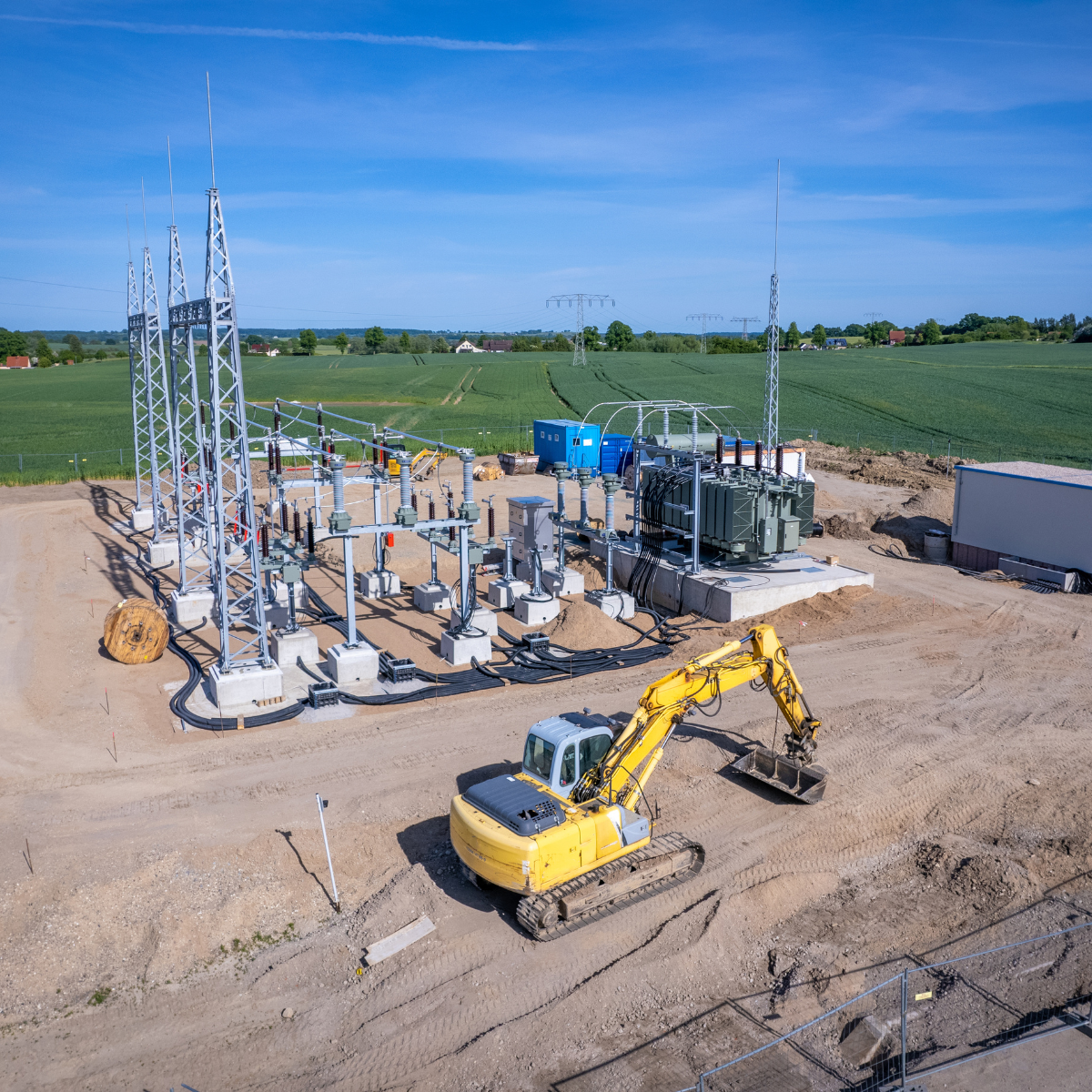
Planning for peak requires building more grid
Interconnection planning asks whether the grid can reliably serve a site if its highest demand coincides with peak and contingency conditions. If violations are possible, upgrades are required. This peak-driven approach is the most conservative way to ensure reliability, but it doesn’t account for flexibility and leaves no path forward except new infrastructure.
For a century, this model worked. But as demand grows at record pace, relying solely on upgrades is too slow to meet today’s needs.
A new kind of large load
Today’s large loads, particularly data centers, are fundamentally different from traditional utility customers. They value speed to power and bring new levels of sophistication to how they design and run their facilities. Many deploy on-site or nearby resources as part of their development strategy.
Utilities now have major customers with a vested interest in ensuring their demand aligns with available grid capacity.
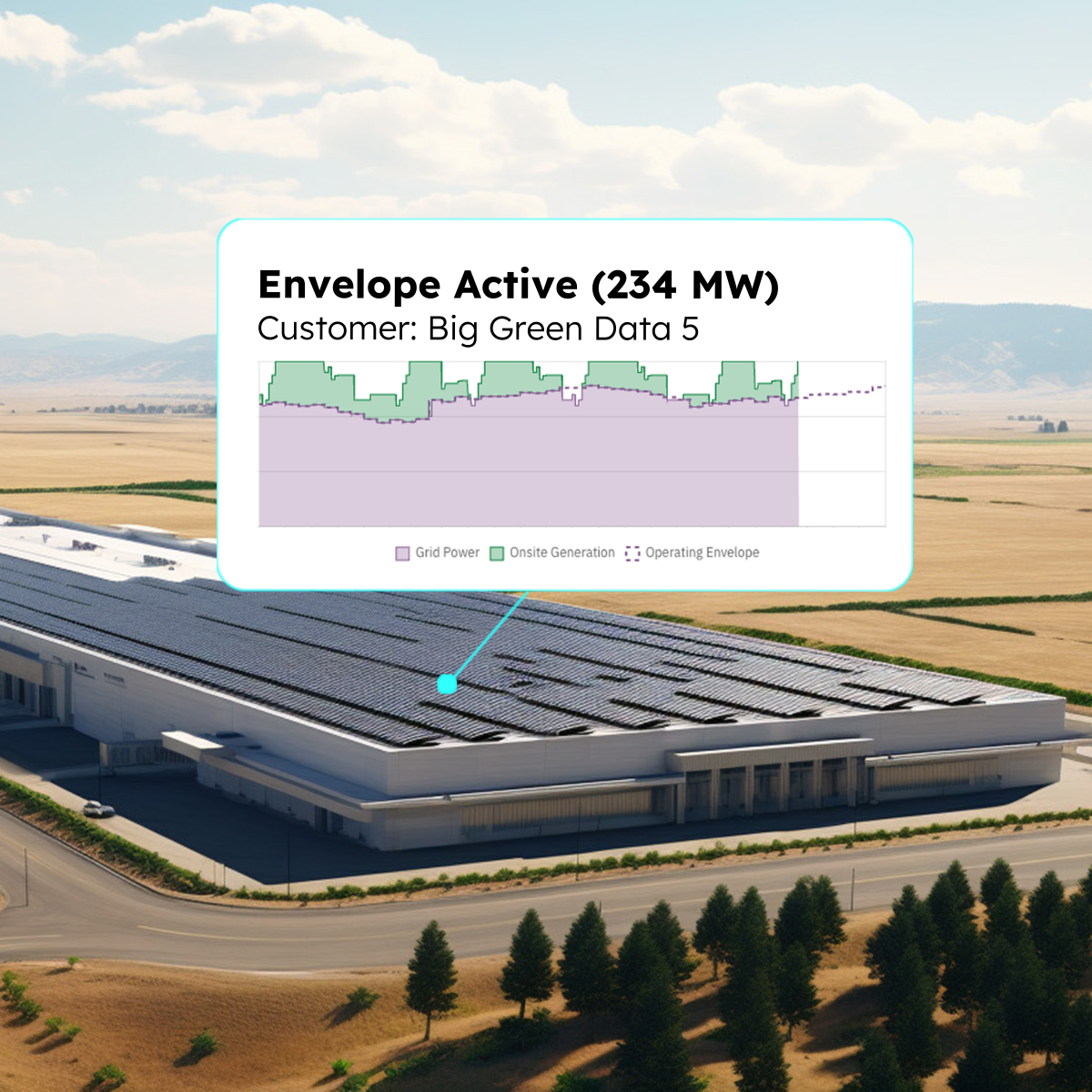
Flexible grid connections unlock faster approvals without compromising reliability
Instead of a single static capacity under all conditions, utilities can define and enforce a custom combination of firm grid capacity, conditional grid capacity, and on-site bridge resources.


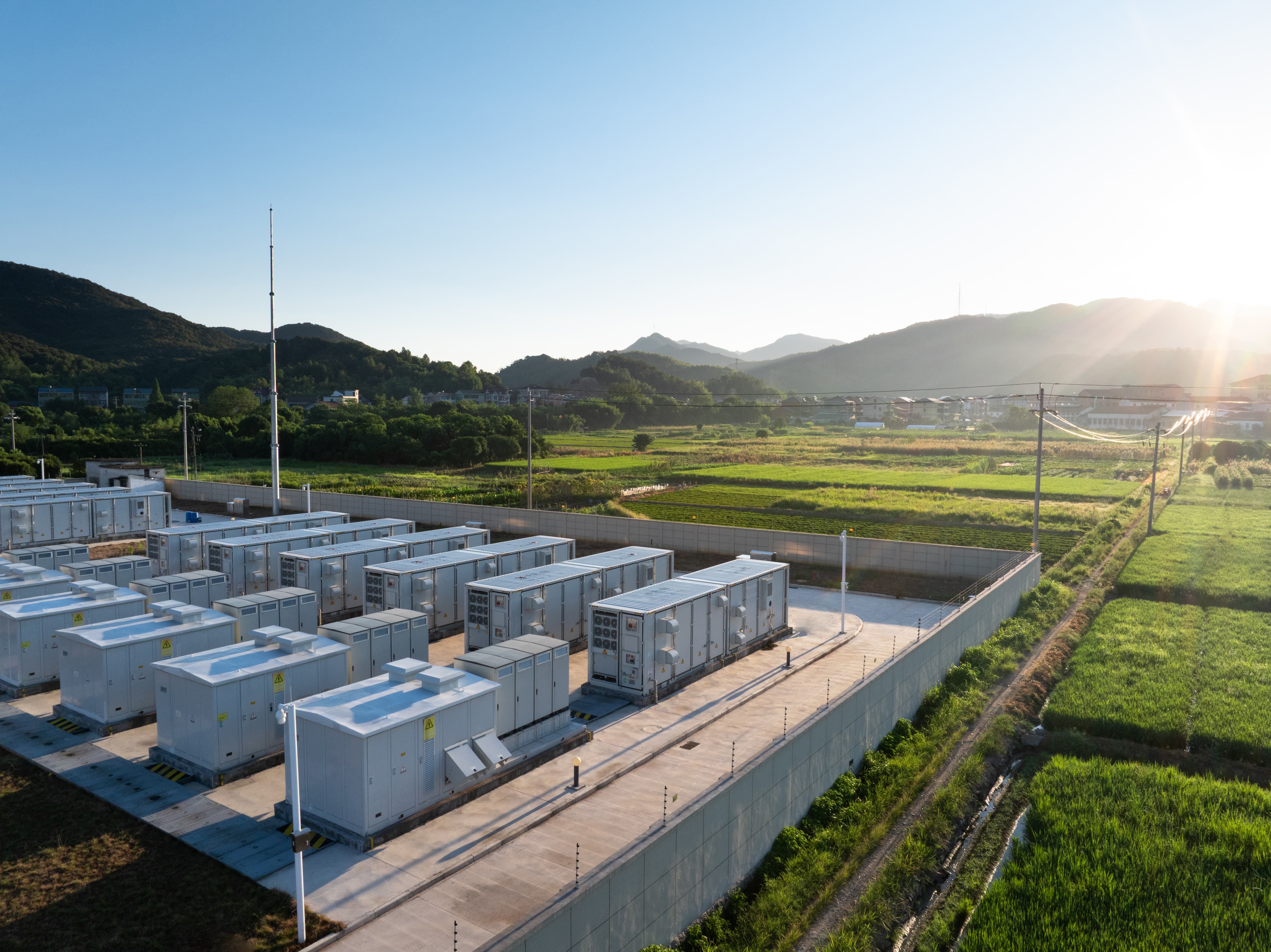
How Camus makes flexible grid connections work
Camus’ FlexConnect software provides both the planning analytics and real-time operational controls required to design and enforce flexible grid connections. Utilities can say “yes” sooner while data centers get a fast, reliable path to power.
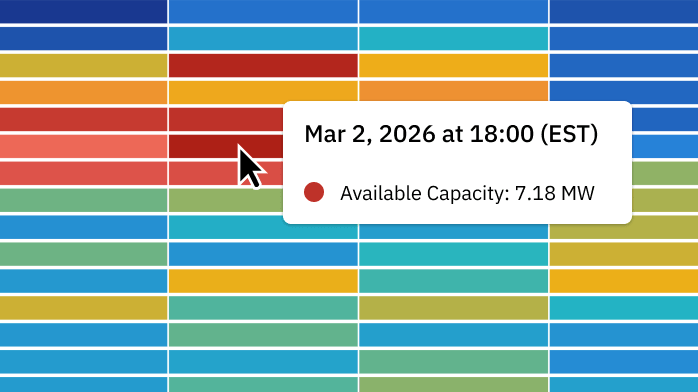
Assess hourly grid capacity
Camus uses real utility data to map how much additional load each conductor and substation can safely serve in every hour of the year.

Set firm & conditional service levels
Utilities decide what portion of the load can be served firmly and set operating limits for the conditional portion during the few constrained hours each year.
.png)
Operate with confidence
Camus provides day-ahead operating forecasts that show when conditional limits will apply and closed loop controls, keeping both the grid and the data center running smoothly.
Reliability for utilities,
speed for data centers
Flexible interconnection lets utilities protect grid reliability while saying yes sooner, giving data centers a predictable path to power without waiting for grid upgrades.

Protect reliability while connecting large loads
Approve large loads sooner by applying safe operating limits during constrained hours to avoid risk to utility equipment.

Secure grid power 3 to 5 years sooner
Avoid years of waiting for grid upgrades by using on-site or local resources to provide partial site power during grid constraints.
